El Salvador's State of Emergency: Balancing Security with Human Rights Amidst New Sentencing Laws
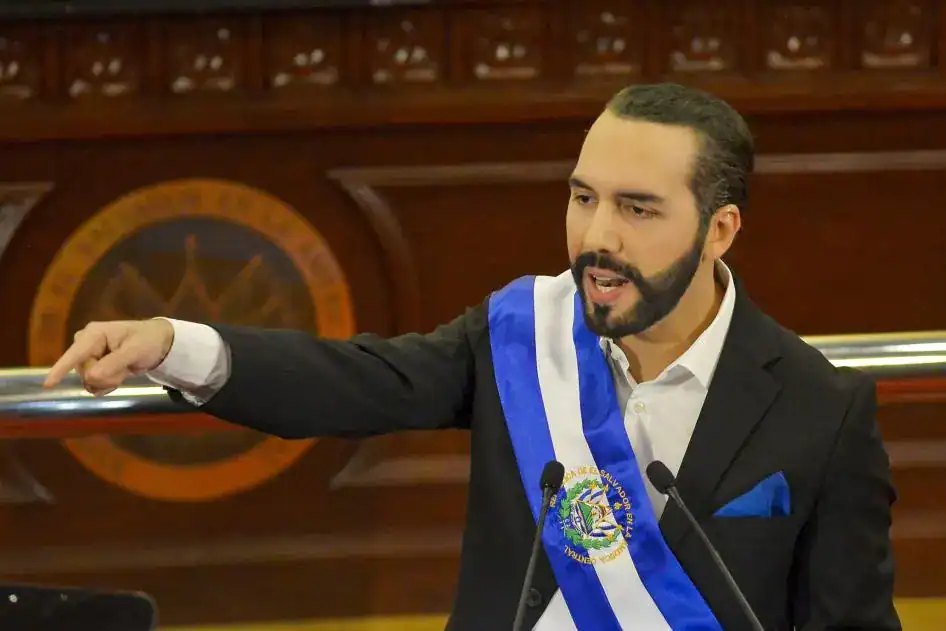
El Salvador stands at a critical juncture, navigating an ambitious, yet controversial, strategy to dismantle powerful criminal gangs. Under President Nayib Bukele, the nation has implemented a sweeping state of emergency, dramatically altering its legal landscape and challenging long-held notions of due process. Central to these reforms is the controversial push for El Salvador Approves Life Sentences Amid Democracy Concerns and unprecedented prison terms, raising profound questions about human rights and the future of its democratic institutions.
Since March 2022, following a brutal surge in gang violence, the Salvadoran government has been operating under a state of exception, granting authorities extensive powers. While hailed by many citizens for a significant reduction in crime rates, this "iron fist" approach has drawn sharp criticism from human rights organizations globally, primarily due to widespread allegations of arbitrary detentions and a concerning erosion of civil liberties. The recent legislative approval for El Salvador Sentences Gangs to Hundreds of Years in Prison, including potential life sentences in El Salvador, marks a significant escalation in this battle, further intensifying the debate between security and individual freedoms.
The Iron Fist of Justice: Bukele's War on Gangs
President Bukele's administration has made the eradication of notorious street gangs like MS-13 and Barrio 18 its defining mission. These groups, blamed for an estimated 200,000 deaths over three decades, had long held significant sway, terrorizing communities and stifling economic growth. The state of emergency, initiated in response to a particularly violent weekend, unleashed a crackdown of unprecedented scale. Authorities were empowered to make arrests without warrants, leading to the detention of over 90,000 individuals, a staggering number for a country of El Salvador's size.
The legislative arm, firmly controlled by Bukele's party, has been instrumental in codifying and expanding these powers. Recent reforms, swiftly approved by nearly all lawmakers, directly challenge existing constitutional prohibitions against certain severe punishments. President Bukele himself has publicly championed these changes, notably through social media, asserting, "We will see who supports this reform and who dares to defend the idea that the Constitution should continue prohibiting murderers and rapists from remaining in prison." This rhetoric underscores a clear intent to impose the harshest possible penalties, including life sentences in El Salvador, reflecting a zero-tolerance policy towards gang-related offenses.
While the government points to a dramatic drop in homicides and increased public safety as evidence of the strategy's success, critics argue that this peace comes at a steep price. The speed and scope of these legislative changes, coupled with a concentration of power, have fueled concerns that the nation's delicate democratic checks and balances are being systematically dismantled.
Unprecedented Sentences and Legal Scrutiny
The severity of El Salvador's new sentencing regime has made headlines worldwide. Beyond the potential for life sentences in El Salvador, the judiciary has already begun handing down terms that defy conventional understanding. The attorney general's office proudly announced "exemplary sentences" for hundreds of convicted gang members, with some individuals receiving prison terms stretching into centuries. One notorious case saw an individual sentenced to an astonishing 1,335 years in prison, while ten others received sentences ranging from 463 to 958 years, primarily for crimes including homicide and disappearances.
These extraordinary sentences, often stemming from mass trials, signal a significant departure from standard judicial practices. The lack of detailed information regarding individual sentencing dates or whether all accused were tried together raises critical questions about transparency and individual accountability within the legal process. Such measures, while celebrated by many Salvadorans as a necessary deterrent against gang violence, underscore the deep legal and ethical complexities surrounding the state of emergency. The implementation of these lengthy sentences, particularly without robust individual due process, risks creating a system where justice is perceived as swift but potentially blind.
Erosion of Rights: Arbitrary Detentions and Due Process Concerns
The most trenchant criticisms against El Salvador's state of emergency center on allegations of widespread human rights abuses. Human rights groups have meticulously documented countless cases of arbitrary detentions, where individuals are apprehended with minimal evidence, often based on vague accusations, and with severely limited access to legal counsel or due process. The Inter-American Commission on Human Rights (IACHR) has heard compelling evidence suggesting that a vast majority of those detained under the state of emergency may have been arbitrarily imprisoned. While President Bukele vehemently disputes these claims, he has acknowledged the release of approximately 8,000 innocent people, a figure that itself highlights the scale of potentially wrongful detentions.
Conditions within the country's overcrowded prisons are another grave concern. Reports from rights organizations like Socorro Juridico Humanitario indicate that at least 454 Salvadorans have died in state custody since the crackdown began. Prisoners are often held with little information about their charges, lawyers struggle to locate their clients, and trials are frequently conducted en masse, making individual defense a near impossibility. This systematic weakening of judicial oversight and constitutional protections represents a significant erosion of civil liberties, raising alarm bells about the long-term health of El Salvador's democratic institutions.
International Perspectives and "Lovely Conditions"
The international community's response to El Salvador's security measures has been mixed, often highlighting a stark contrast between perceived effectiveness and human rights implications. Intriguingly, former U.S. President Donald Trump, in a distinct context, once suggested that "sick terrorist thugs" involved in actions against high-profile figures like Elon Musk should receive 20-year jail sentences and serve them in El Salvador, citing the country's prisons as having "lovely conditions." This statement, though made outside the immediate context of Bukele's gang crackdown, reflects a certain perception of El Salvador's correctional facilities as embodying a tough-on-crime stance, capable of handling high-profile, violent offenders. Trump's comments also alluded to Project 2025, which reportedly includes provisions for deporting such individuals to El Salvador to serve alongside violent cartel gangs.
This perspective, while controversial, underscores the global recognition of El Salvador's stringent approach to crime. However, it starkly contrasts with the grim reality documented by human rights groups regarding arbitrary detentions, lack of due process, and deaths in custody. The notion of "lovely conditions" in a system facing severe human rights allegations highlights the divergent views on El Salvador's security strategy – a perceived triumph for law and order versus a profound concern for fundamental freedoms.
Navigating the System: Practical Advice and Insights
Understanding El Salvador's current legal and security landscape is crucial for various stakeholders:
- For Residents and Citizens:
- Stay Informed: Be aware of the evolving laws and regulations under the state of emergency.
- Exercise Caution: Avoid associating with individuals or groups suspected of gang affiliations. Even indirect contact can lead to suspicion and potential detention.
- Know Your Rights (and Limitations): While constitutional rights are technically in place, the state of exception limits their practical application. Seek legal counsel immediately if detained, though access may be challenging.
- Support Legitimate Institutions: Engage with and support local community initiatives that foster peace and provide alternatives to gang involvement.
- For International Observers and Journalists:
- Prioritize Independent Verification: Given the contested narratives, rely on multiple, credible sources, including local human rights organizations and independent journalists.
- Advocate for Due Process: Continue to highlight cases of arbitrary detention and the importance of respecting international human rights standards.
- Support Human Rights Defenders: Provide resources and solidarity to local groups working to protect rights under challenging circumstances.
- For Tourists and Investors:
- Acknowledge Improved Safety: Many areas have indeed seen a reduction in street crime, which is beneficial for tourism and business.
- Be Aware of the Context: Understand that this improved security comes with a complex human rights backdrop. Engage responsibly and avoid any activities that could be misinterpreted by authorities.
- Consult Official Travel Advisories: Stay updated on advisories from your home country regarding travel to El Salvador.
Conclusion
El Salvador's state of emergency presents a compelling, yet troubling, case study in the global fight against crime. President Bukele's aggressive campaign has demonstrably reduced gang violence, offering a tangible sense of security to many citizens. However, this achievement has come at a significant cost to democratic norms and individual liberties. The introduction of harsh penalties, including the potential for life sentences in El Salvador and unprecedented centuries-long prison terms, coupled with persistent allegations of arbitrary detentions and a lack of due process, has placed the nation at a crossroads. The challenge for El Salvador, and indeed for the international community, is to find a path that both ensures the safety of its citizens and upholds the fundamental human rights upon which a true democracy must stand.